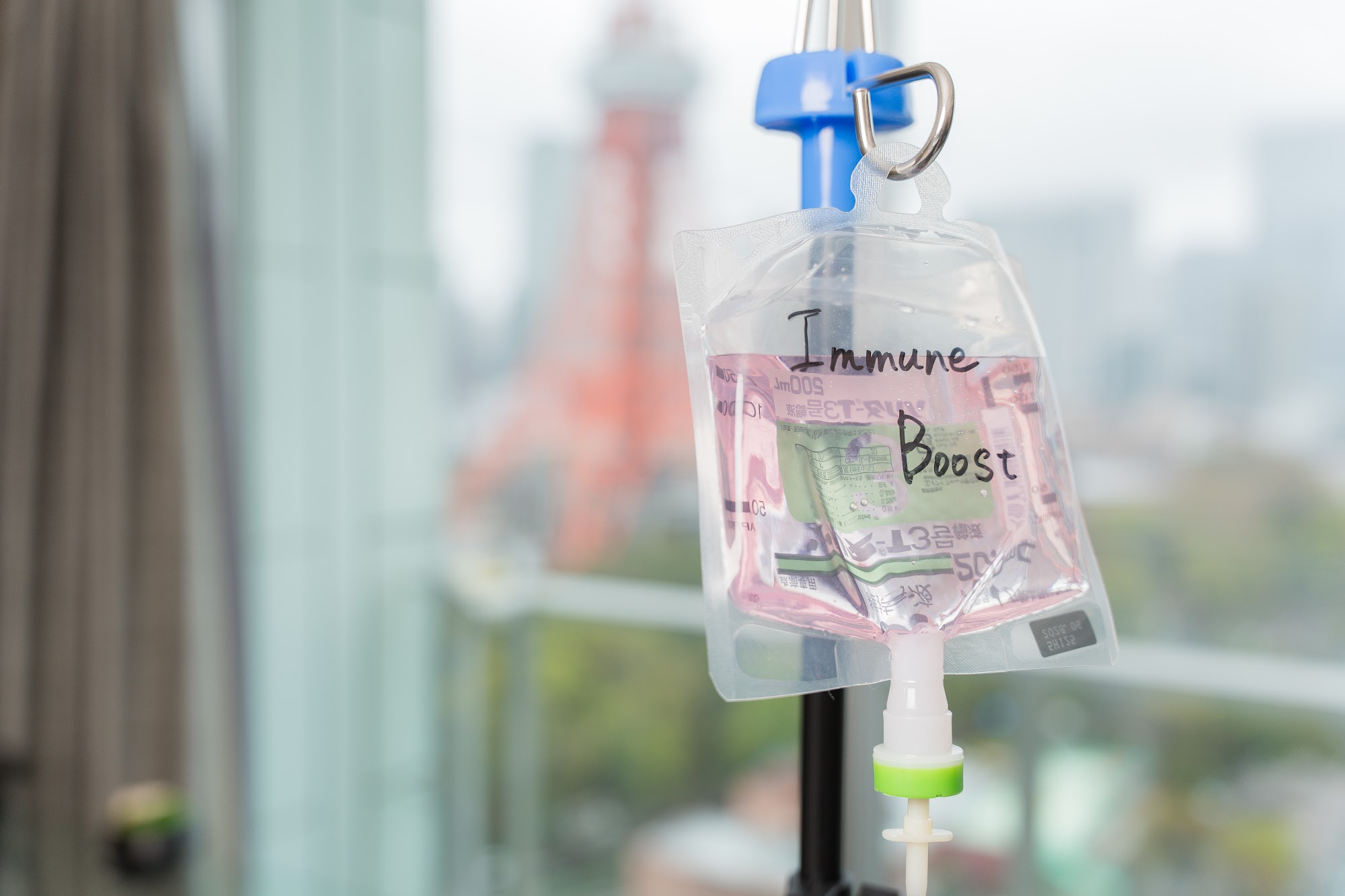
Do You Need IV Therapy for a Cold or the Flu? What to Know Before Considering Supportive Care
A sore throat, runny nose, cough, fever, fatigue, headache. When cold- or flu-like symptoms appear, many people naturally wonder whether IV therapy might help them feel better more quickly, especially if drinking enough fluids feels difficult or rest is hard to prioritize. This is particularly true for international visitors in Tokyo and busy professionals trying to recover while still managing travel, work, or a full schedule.
At the same time, it is important to begin with a clear understanding: IV therapy does not cure the common cold or influenza. According to the CDC, the common cold has no cure and usually improves with time and symptom management. Influenza may require a different level of medical evaluation, especially depending on how severe symptoms are, how early in the illness you are, and whether you are at higher risk of complications.
At Pitonne | Stem Cell & IV Therapy, we believe the right question is not simply whether someone feels unwell enough for an IV. The real question is whether supportive hydration may be appropriate, or whether formal medical evaluation should come first.
This article explains how to think about IV therapy when cold- or flu-like symptoms are present, when more urgent care should take priority, and how Pitonne approaches this kind of consultation.
A Cold and the Flu Are Not the Same
Although the common cold and influenza can feel similar at first, they are not the same illness. According to the CDC, cold symptoms are usually milder and often include a runny or stuffy nose, while flu symptoms tend to come on more suddenly and may involve stronger fatigue, fever, chills, body aches, and more pronounced weakness.
That distinction matters. When someone says they “might have a cold” or “might have the flu,” the severity and pattern of symptoms can change the right next step. Rather than thinking only in terms of comfort, it is important to consider whether the illness may require testing, antiviral evaluation, or a higher level of medical assessment.
When IV Therapy May Be Considered
When cold- or flu-like symptoms are present, IV therapy may be thought of as supportive hydration and condition management, not as direct treatment for the infection itself.
Patients sometimes ask about IV support in situations such as:
- Sore throat or fatigue making hydration difficult
- Fever or sweating leading to increased fluid loss
- Reduced food intake and a general sense of depletion
- Feeling run down during the recovery phase, with immune health feeling compromised
- Wanting to recover comfortably in a private setting while staying in Tokyo
In these kinds of situations, IV therapy may be discussed as supportive care. But it is important to keep expectations realistic: IV therapy is not what treats the virus itself.
IV Therapy Is Not a Cure for a Cold or Flu
This point should be very clear.
The CDC advises that the common cold does not have a cure and is usually managed with rest, fluids, and supportive symptom care. Antibiotics do not work against viral illnesses such as the common cold. Influenza can be more serious, and depending on timing and risk factors, it may require testing and consideration of antiviral treatment.
For that reason, IV therapy should not be presented as something that “treats” or “cures” a cold or flu. A more appropriate way to understand it is as possible support for:
- Hydration
- General condition during illness
- Recovery comfort
- Repletion when oral intake is difficult
When Medical Evaluation Should Come First
Some cold- or flu-like illnesses are mild. Others are not. There are situations where medical assessment should come before any routine private IV support.
According to CDC and MedlinePlus guidance, symptoms that may require prompt medical evaluation include:
- Difficulty breathing
- Chest pain
- Confusion
- Severe dehydration
- Inability to keep fluids down
- Fever that remains high or prolonged
- Symptoms that improve and then worsen again
- Significant chronic medical conditions
In those situations, hospital or clinic-based medical evaluation should take priority over ordinary supportive IV care.
How Pitonne Approaches These Situations
At Pitonne, we do not approach cold- or flu-like symptoms with the mindset of “IV first.” Instead, we focus on identifying what is actually appropriate at that moment.
That includes thinking about questions such as:
- Is hydration support the main issue?
- Is formal testing or medical diagnosis more important first?
- Is this a routine recovery-support situation, or something more serious?
- Is the person still in the acute illness phase, or moving into recovery?
The desire to feel better quickly is understandable. But what matters most is choosing the right response for the actual situation.
Pitonne Thinks of IV Therapy in the Context of Overall Condition Support
At Pitonne, IV care is not treated as a standalone solution to illness. We think about it as part of a broader view of physical condition, recovery, hydration, and wellness support.
For some patients in Tokyo, this may mean a private, discreet conversation about recovery support when travel, work, or schedule demands make illness harder to manage comfortably. But even then, the most important step is still the correct assessment of what kind of care is truly needed.
What to Review Before Asking About IV Support
If you are considering IV therapy while experiencing cold- or flu-like symptoms, it helps to clarify:
- When the symptoms began
- Whether fever is present
- The severity of cough, sore throat, and nasal symptoms
- Whether you are able to drink fluids
- Whether you are eating
- Whether you feel short of breath
- Your medical history
- Current medications
- Whether you prefer in-clinic or mobile care
These details make it easier to guide the conversation safely and appropriately.
Frequently Asked Questions
Will IV therapy help me recover faster from a cold?
IV therapy does not cure a cold. It may be considered as supportive hydration or condition support in some situations, but the illness itself usually improves with time and symptom care.
Can I receive IV therapy if I may have the flu?
Possibly, but it depends on the situation. Influenza may require medical evaluation, testing, or antiviral consideration first, especially if symptoms are strong or risk factors are present.
What if I cannot drink enough fluids?
That may be one reason to ask about hydration support. However, if dehydration is becoming significant or overall condition is worsening, formal medical care may be more appropriate than routine IV care.
When should I go to a hospital instead?
If there is breathing difficulty, chest pain, confusion, severe dehydration, persistent high fever, or worsening after initial improvement, hospital or urgent medical evaluation should come first.
Summary
When cold- or flu-like symptoms are present, IV therapy is best understood as supportive care, not a cure. It may sometimes help support hydration and overall condition, but it should never replace proper medical evaluation when symptoms suggest something more serious.
At Pitonne | Stem Cell & IV Therapy, we approach these consultations with caution, discretion, and attention to what is truly appropriate for the patient’s condition. If you are in Tokyo and would like to discuss whether IV therapy may be suitable as part of your recovery support, please contact us here: Booking & Consultation
References
- CDC: Manage Common Cold
- CDC: Cold Versus Flu
- CDC: Signs and Symptoms of Flu
- MedlinePlus: Common Cold
Related Pitonne Services
Contact Pitonne
Contact Pitonne to discuss clinician-guided wellness options and whether a service is appropriate for your goals.
Contact Us