What Are the Risks and Precautions of Exosome IV Therapy? Safety Points to Review Before Treatment
When considering Exosome IV therapy, many patients naturally focus on what the treatment is and how it works. Just as important, however, is understanding how to think about safety, what precautions should be reviewed in advance, and what questions are worth asking before proceeding.
At Pitonne | Stem Cell & IV Therapy, we believe this kind of treatment should be approached with clarity and care. That means discussing not only the treatment concept itself, but also the points patients should understand before making a decision. In this article, we explain the main safety considerations, general risks, and practical precautions to review before treatment.
An Important Starting Point
In its notice dated July 31, 2024, Japan’s Ministry of Health, Labour and Welfare stated that, at present, there are no exosome- or stem cell conditioned media-based products that have been approved as pharmaceuticals in Japan based on established efficacy and safety.
This does not mean that every treatment should automatically be viewed with alarm. It does mean that patients should be especially careful to understand what is being used, how it is managed, and what medical explanation is provided before treatment.
Why Human-Derived Materials Are Viewed Carefully
Treatments discussed in connection with exosomes or stem cell conditioned media are often presented as involving human-derived materials or components related to them. In medicine, human-derived products are sometimes handled cautiously not only because of known risks, but also because of how unknown risks are managed over the long term.
A familiar example in Japan is human placenta products. As of May 3, 2026, the Japanese Red Cross still advises that people who have received human placenta injections refrain from blood donation. This does not automatically mean such products are unsafe in ordinary use. Rather, it reflects a conservative medical approach to theoretical and unknown risks.
For patients considering Exosome IV therapy, the practical takeaway is simple: do not rely on the treatment name alone. It is important to confirm the source, handling, explanation, and medical oversight involved.
General Risks of IV-Based Treatment
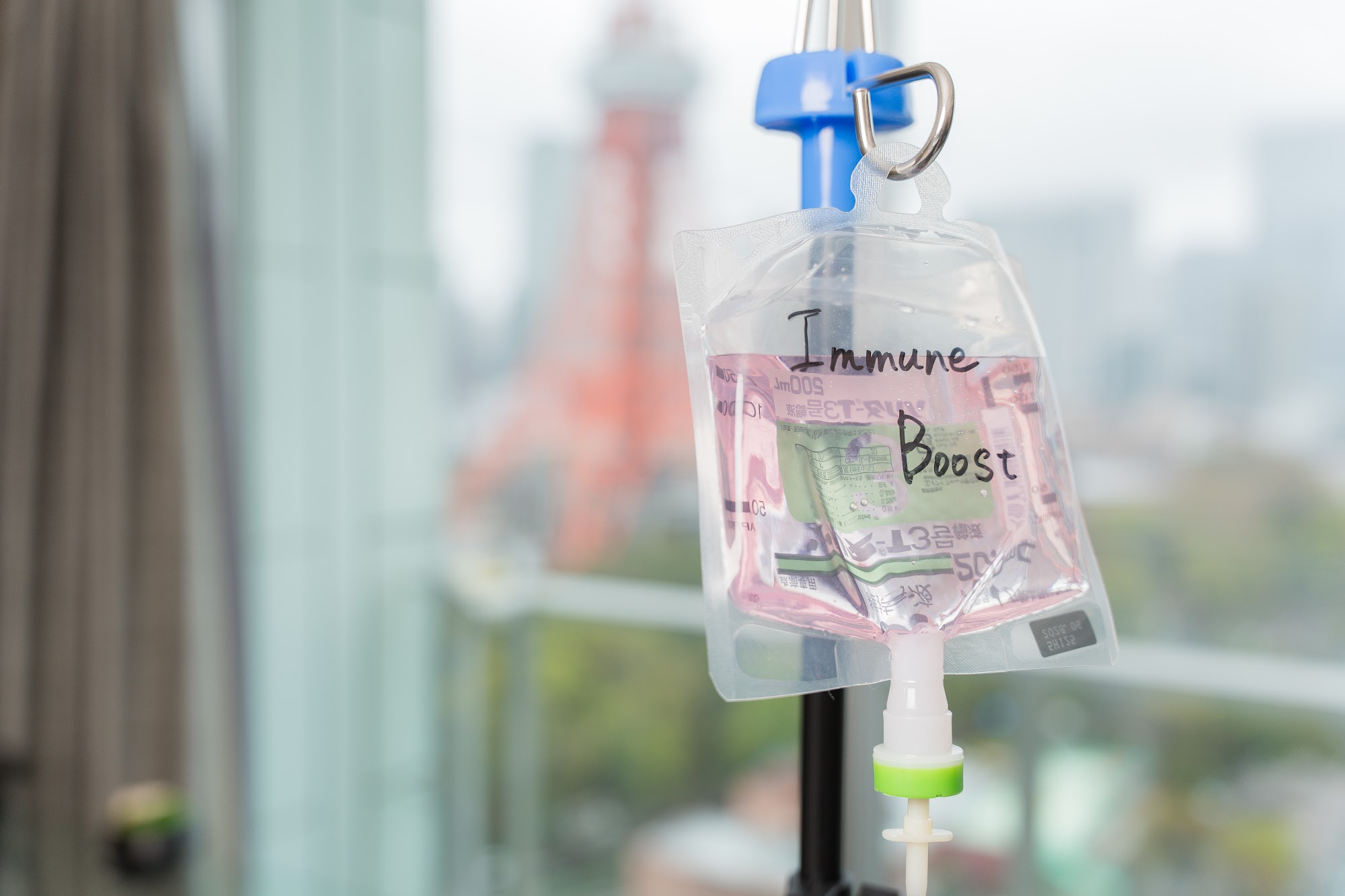
Exosome IV therapy should also be understood as an IV-based medical service, which means there are general risks that can apply to IV treatment itself.
These may include:
- Pain at the injection site
- Bruising
- Swelling
- Redness
- Nausea or feeling unwell
- Vein irritation
- Allergic reactions
As with many medical products or infusions, a severe allergic reaction such as anaphylaxis is considered possible in principle, even if uncommon. The important point is not to create unnecessary fear, but to confirm whether the clinic is prepared to respond appropriately if an urgent reaction occurs.
Why Pre-Treatment Screening Matters
One of the most important parts of safe treatment is not only the IV session itself, but the screening that happens beforehand.
Patients should expect review of points such as:
- Medical history
- Current illnesses or ongoing treatment
- Current medications
- Allergy history
- Current physical condition
- Fever or signs of infection
A treatment should not be approached as something given automatically to everyone in the same way. A responsible clinic should be able to adjust the plan, postpone treatment, or decline treatment when necessary based on the patient’s condition.
Response Can Vary From Person to Person
Patients often ask whether they will notice anything after a single session. The reality is that responses vary. Some patients may feel changes earlier, while others view treatment as part of a broader, ongoing wellness routine.
For that reason, it is better not to approach Exosome IV therapy with a one-size-fits-all expectation. Rather than focusing only on an immediate impression, it is more useful to discuss treatment goals, frequency, and suitability as part of a medical consultation.
Emergency Response Readiness Matters
When evaluating safety, one of the most meaningful questions is whether the provider is prepared to respond quickly if something unexpected happens.
At Pitonne, patient safety is treated as a practical priority, not a marketing phrase. We place importance on appropriate screening, careful treatment guidance, and readiness in case of acute changes in condition. Our supervising physician has a professional background in emergency and critical care medicine, and we consider this clinical readiness an important part of responsible care.
This kind of medical structure may not be the most visible part of a treatment description, but it is one of the most important.
Private Medical Care Requires Thoughtful Review
Exosome IV therapy and stem cell conditioned media IV are generally offered in Japan as private medical care.
Under Japan’s medical advertising guidance, when unapproved products or treatments are used in private care, clinics are expected to explain points such as:
- That the treatment is unapproved in Japan
- How the material is obtained
- Whether approved alternatives exist in Japan
- That not all serious risks may be fully established if information remains limited
Patients should also understand that Japan’s adverse drug relief system is designed around approved pharmaceutical products. Because exosome-related products are not approved pharmaceuticals in this context, it is important to confirm in advance how the clinic explains responsibility, emergency response, and follow-up support.
What to Review Before Booking
Before moving forward, it is helpful to confirm the following:
- What material is actually being used
- Whether the treatment is being described as stem cell conditioned media, Exosome IV, or both
- What the source material is
- How storage and quality management are handled
- What the main risks and precautions are
- Whether physician review and screening are part of the process
- Whether emergency response arrangements are in place
These questions are not a sign of distrust. They are simply part of making a well-informed decision.
Frequently Asked Questions
Is Exosome IV therapy safe?
Safety cannot be judged from the treatment name alone. It depends on the source, management, screening process, emergency response readiness, and how carefully the treatment is explained.
Can everyone receive this treatment?
Not necessarily. Depending on medical history, medications, allergy history, and condition on the day, additional caution may be needed, and in some cases treatment may be postponed or declined.
Will I notice a difference after one treatment?
Responses vary from person to person. Some patients notice changes earlier, while others think about treatment in the context of ongoing wellness care rather than a single session.
What should I pay attention to with private care?
It is important to confirm that the clinic explains the treatment clearly, including approval status, source, risks, precautions, costs, and medical screening process.
Summary
When considering Exosome IV therapy, it is important to look beyond the appeal of the treatment itself and also understand the broader safety picture. That includes the general risks of IV treatment, the careful handling of human-derived materials, the importance of medical screening, and the clinic’s readiness to respond if urgent care is needed.
At Pitonne | Stem Cell & IV Therapy, we believe patients should be able to make these decisions with clarity and confidence. That is why we place emphasis on careful explanation, thoughtful screening, and medically guided care in both in-clinic and mobile settings. If you would like to discuss whether treatment may be appropriate for you, please contact us here: Booking & Consultation
Related Pitonne Services
Contact Pitonne
Contact Pitonne to discuss clinician-guided wellness options and whether a service is appropriate for your goals.
Contact Us